
Picking the best time to paint exterior in Connecticut isn't just about scheduling convenience — it's about getting paint that actually bonds and lasts. Paint cures based on temperature and humidity. Push it outside the right window and the finish fails within a year, no matter how good the paint is. Smart timing means paint that lasts 8 to 12 years instead of peeling in 18 months.
The Ideal Painting Window: Late Spring Through Early Fall
The sweet spot for exterior painting in Connecticut runs from late April through early October. During those months, daytime temperatures consistently stay above 50 degrees Fahrenheit and overnight lows usually stay above 40 degrees. Both conditions are critical for paint to cure properly. Most exterior latex paints require minimum surface and air temperatures of 50 degrees during application and for several hours after.
Avoid the peak of summer (mid-July through early August) if humidity is forecast to spike, because high humidity slows drying and can cause paint to bubble.
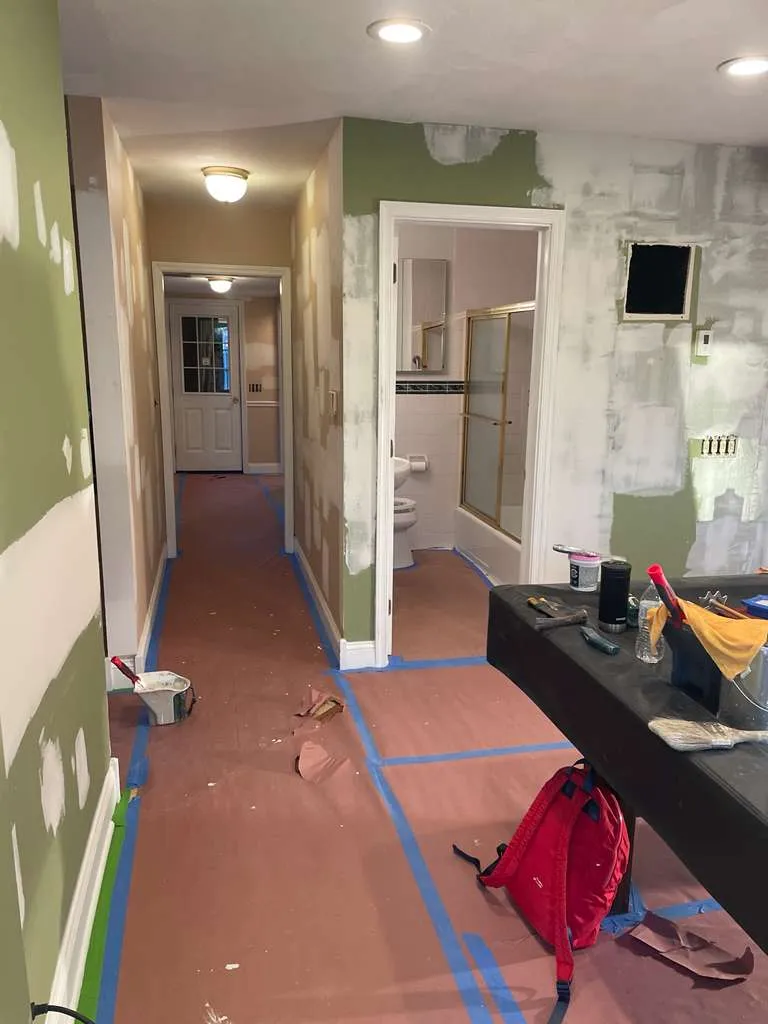 Late spring and early fall are the most reliable painting windows in Connecticut
Why Connecticut Winters Are Off-Limits for Exterior Paint
Don't let any contractor talk you into a winter exterior paint job in Connecticut. Cold temperatures (below 50 degrees) prevent paint from forming a proper film. Even cold-weather formulations have limits, usually around 35 degrees, and Connecticut winters drop well below that for months at a time.
If you need work done in cold months, focus on interior projects: living rooms, bedrooms, kitchens, basements, ceilings. Interior paint cures fine year-round in a heated home.
Spring Painting: What to Watch Out For
Late April and May are great for exterior painting in Connecticut, but spring weather is unpredictable. Sudden rainstorms can ruin a fresh paint job if the paint hasn't cured yet — most paints need 4 to 6 hours dry time to handle a light shower, longer for heavy rain.
Pollen is another spring issue. Yellow pine pollen settles on freshly painted siding in April and early May. The fix: wait until after the heaviest pollen season ends, usually mid-May, or plan touch-ups after the pollen subsides.
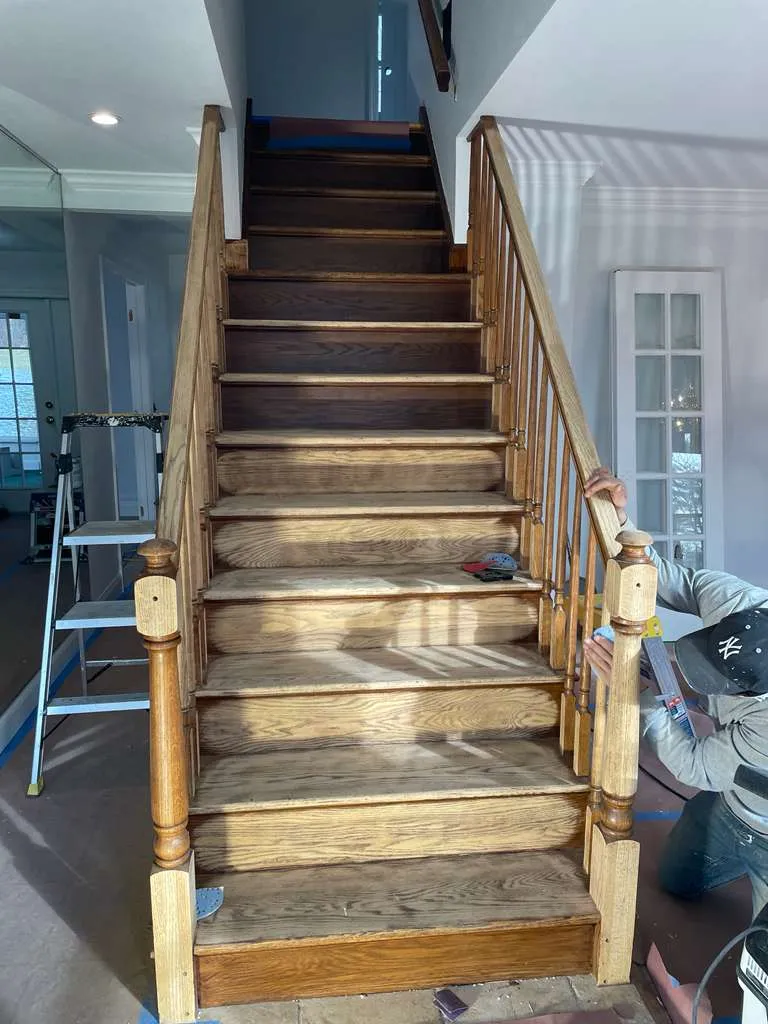 September and early October are arguably the best months for exterior painting
Fall Painting: The Underrated Season
September and early October are arguably the best months for exterior painting in Connecticut. Temperatures are still warm enough to cure paint, humidity drops compared to summer, and rainfall is usually predictable. Bugs and pollen are minimal, and contractor schedules start to open up after the busy summer.
Days get shorter in fall, so painters have less working time per day. That can stretch a project out by a few extra days, but the quality stays the same.
Frequently Asked Questions
Usually not. By November, daytime highs often fall below 50 degrees and overnight temperatures regularly hit freezing. Cold-weather paint formulas help, but it's risky. Push the project to spring instead.
Late April is usually the earliest reliable start. Watch for several consecutive days with highs above 55 and overnight lows above 40 before scheduling. Some years that hits in mid-April, others in early May.
Yes. High humidity slows paint drying time and can cause bubbling or sagging. Aim for days with humidity below 70 percent and avoid painting during heat waves where humidity often spikes alongside temperature.
No. The surface needs to be fully dry before paint goes on, and paint needs at least 4 to 6 hours of dry weather after application. Wait at least 24 hours after rain to let surfaces dry properly.
Schedule estimates 2 to 3 months before you want the work done. For spring projects, book in February or March. For fall projects, book in July or August. Good painters book up fast in Connecticut.