
If you're trying to figure out whether to tackle interior or exterior painting first in Connecticut, you're not alone. Most homeowners only have the budget or time for one paint project a year, and picking the right one matters. The wrong call means peeling siding, water damage, or a faded curb appeal that hurts the resale value of the house. This guide walks through how to decide based on the condition of the house, the season, the budget, and what the property is being used for.
Check the Condition of Your Exterior First
Start by walking around the outside of the house and taking a close look at the siding, trim, fascia, and soffits. If paint is peeling, cracking, or chipping, that's a clear sign exterior painting can't wait. Bare wood with no paint protection takes on water, rots, and turns into a much bigger repair job than a simple repaint. Same goes for stucco with hairline cracks running through it. Water gets in, freezes in winter, and pulls the surface apart.
On the other hand, if the exterior paint looks solid with no peeling or visible damage, you've got time. The interior is the next thing to evaluate.
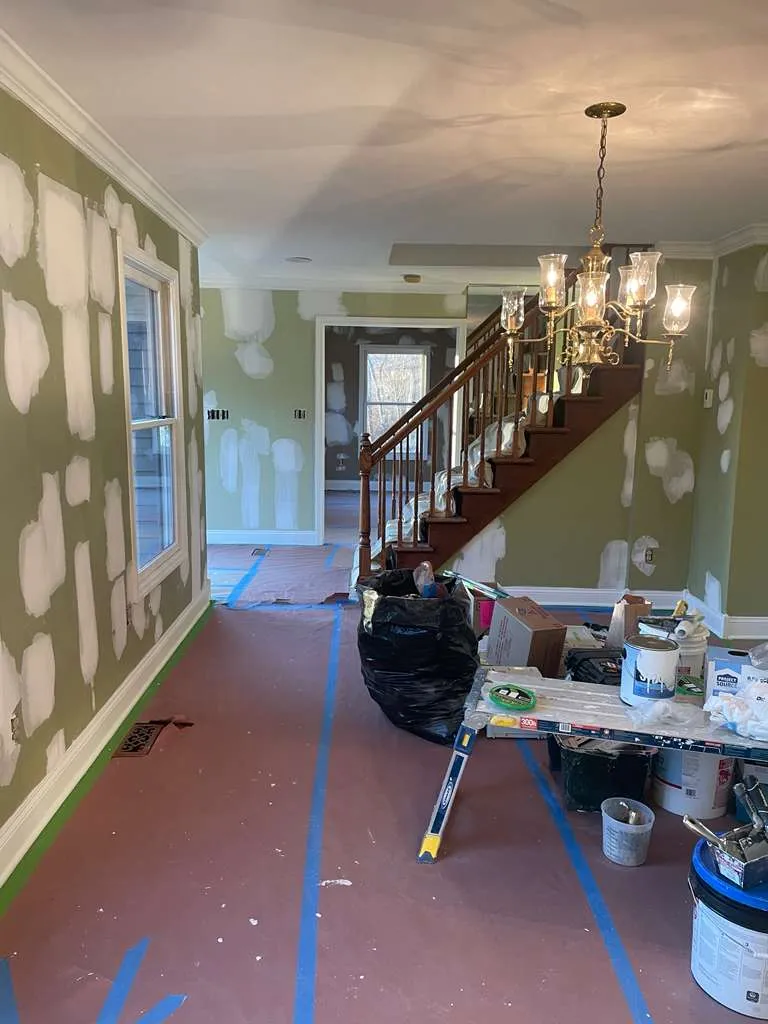 Inspect the exterior before deciding which project to tackle first
Match the Project to the Connecticut Season
Connecticut weather plays a big role in this decision. Exterior paint needs temperatures consistently above 50 degrees Fahrenheit and dry conditions to cure right. That means exterior projects realistically run from late April through October, sometimes into early November on a mild year. Push it later than that and the paint won't bond properly, leading to peeling within a season.
Think About What the House Is Being Used For
If the house is going on the market in the next 6 months, exterior painting almost always wins the priority. Curb appeal is the first thing buyers see, and a freshly painted exterior pulls in higher offers. A fresh interior paint job helps too, but a peeling exterior turns buyers off before they even step inside.
If the house is staying put and the family is using it day-to-day, the calculation flips. Worn-out interior paint, dingy walls, popcorn ceilings, or marked-up trim affect how the home feels every single day. Focus on the rooms used most: living room, kitchen, primary bedroom. Knock those out first, then plan the exterior for the next season.
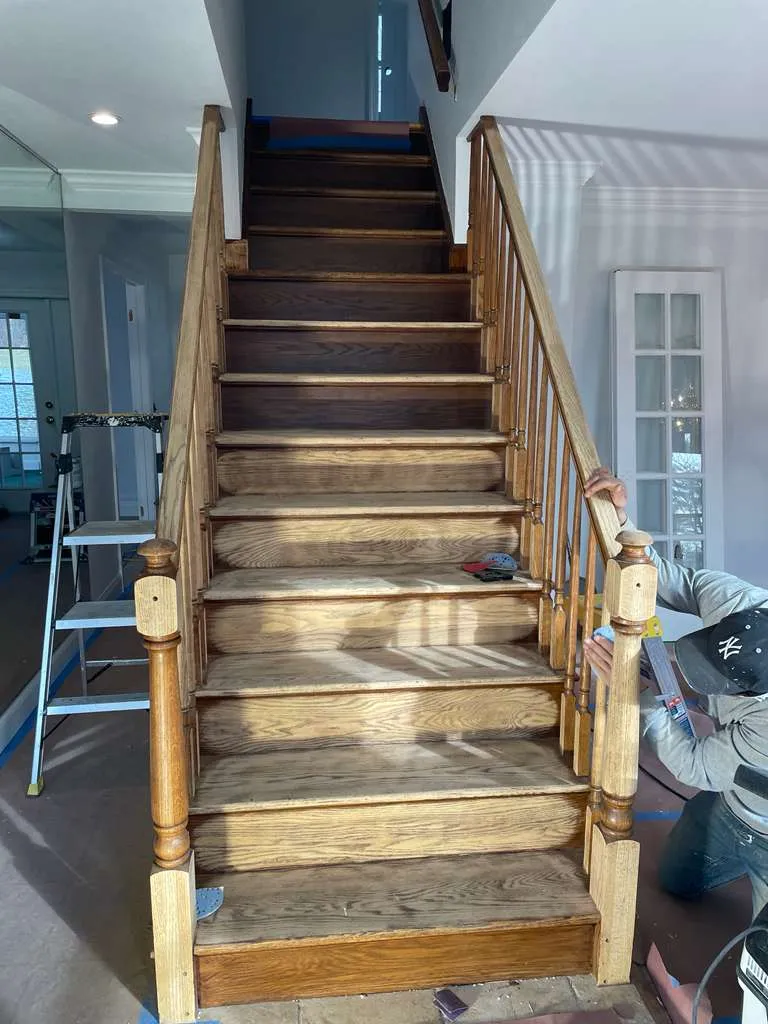 Interior painting makes a difference every single day in the house
Plan the Budget for Both Over Two Seasons
Most homeowners can't afford to repaint inside and outside the same year, and that's fine. The smart move is to plan a two-year cycle. Year one: tackle whichever has the most visible problems or matches the season. Year two: handle the other one. Spreading the cost makes both projects more affordable.
When budgeting, don't just price the paint. Factor in surface prep, primer, repairs to damaged surfaces, and the labor for proper masking and cleanup.
Frequently Asked Questions
Yes, you can, but most homeowners split it across two seasons for budget reasons. Doing both at once also means living through two paint projects back to back, which can be disruptive.
Look for peeling, cracking, blistering, or bare wood showing through. Chalky residue on your fingers when you touch the siding is also a sign. If you see any of these, the exterior should move to the top of the list.
Yes. Painting before furniture comes back in and after any wall repairs makes the job faster and cleaner. You'll also avoid scuffing a fresh coat during the rest of the remodel.
It can. Connecticut has hot summers, cold winters, snow, ice, and humidity all in one year. That mix puts more stress on exterior paint than milder climates, so quality paint and proper prep matter more here.
Interior paint lasts 5 to 7 years before showing wear in high-traffic rooms. Exterior paint lasts 8 to 12 years when properly applied with quality materials. Both numbers depend on prep, paint quality, and the surface.